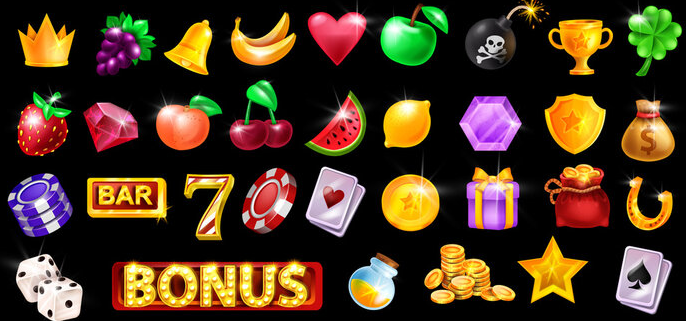


비디오 슬롯게임
비디오 슬롯게임
비디오 슬롯 게임은 온라인 카지노 게임 중 하나로, 전통적인 슬롯 머신을 디지털화하여 온라인 환경에서 플레이할 수 있도록 만들어진 게임입니다. 비디오 슬롯 게임은 다양한 테마와 디자인을 가지고 있으며, 동영상 애니메이션, 특수 효과, 보너스 게임 등을 포함하고 있어 시각적으로 매력적입니다.
비디오 슬롯 게임은 다음과 같은 특징을 가지고 있습니다. 롤링없는 카지노사이트
다양한 테마
비디오 슬롯 게임은 다양한 테마를 가지고 있어 플레이어들이 선호하는 주제나 스타일을 선택할 수 있습니다.
예를 들어, 고대 신화, 액션, 판타지, 동물, 스포츠 등 다양한 주제의 슬롯 게임을 즐길 수 있습니다. 롤링없는 온라인카지노
다양한 기능과 보너스
비디오 슬롯 게임은 다양한 특수 기능과 보너스를 제공합니다. 1세대 먹튀검증업체
예를 들어, 와일드 심볼, 스캣터 심볼, 멀티플라이어, 프리 스핀, 보너스 라운드 등이 포함될 수 있습니다. 이러한 기능과 보너스는 보다 큰 당첨금을 얻을 수 있는 기회를 제공합니다.
다양한 베팅 옵션
비디오 슬롯 게임은 다양한 베팅 옵션을 제공하여 플레이어들이 자신에게 맞는 베팅을 할 수 있도록 합니다. 먹튀위키
베팅 금액, 베팅 라인 수, 코인 값 등을 조절하여 개인의 플레이 스타일에 맞게 게임을 즐길 수 있습니다. 메이저 토토사이트
랜덤 결과
비디오 슬롯 게임은 랜덤한 결과를 생성하여 공정한 게임 환경을 제공합니다. 안전놀이터 추천
랜덤 숫자 생성기(RNG)를 사용하여 각 스핀마다 결과가 무작위로 결정되며, 이는 공정한 결과와 공정한 기회를 보장합니다.
게임 규칙
비디오 슬롯 게임은 일반적으로 3개 이상의 슬롯 릴(Reel)을 가지고 있으며, 각 릴에는 다양한 심볼이 표시됩니다. 먹튀검증사이트 추천
플레이어는 스핀 버튼을 눌러 릴을 돌린 후, 결과에 따라 당첨 여부가 결정됩니다. 당첨 조건은 각 게임마다 다를 수 있으며, 주로 특정 심볼의 조합에 따라 당첨금을 받게 됩니다.
베팅과 당첨금
플레이어는 각 스핀마다 베팅을 해야 합니다. 베팅 금액은 플레이어의 선택에 따라 달라질 수 있으며, 보통 최소 베팅과 최대 베팅으로 범위가 정해져 있습니다.
게임의 당첨금은 베팅한 금액과 해당하는 당첨 조건에 따라 결정됩니다. 보통 상위 조합일수록 더 큰 당첨금을 받을 수 있습니다. 먹튀검증업체 후기
RTP (Return to Player)
RTP는 비디오 슬롯 게임의 이론적인 반환율을 나타냅니다. 먹튀 대처방법
예를 들어, 95% RTP의 게임은 장기적으로 플레이어가 베팅한 금액의 95%를 돌려받을 것으로 예상됩니다. RTP는 각 게임마다 다르며, 게임 선택 시 고려해볼 수 있는 중요한 요소입니다.
프로그레시브 잭팟
일부 비디오 슬롯 게임은 프로그레시브 잭팟을 제공합니다. 토토추천
이는 여러 플레이어가 베팅한 금액의 일부가 누적되어 점점 커지는 잭팟을 의미합니다. 프로그레시브 잭팟은 행운을 사용하여 대박을 쟁취할 수 있는 기회를 제공합니다.
데모 모드
많은 온라인 카지노 플랫폼은 비디오 슬롯 게임을 데모 모드로 제공합니다. 이는 실제 돈을 걸지 않고 게임을 체험할 수 있는 기능으로, 게임의 규칙과 기능을 익히는 데 유용할 수 있습니다.